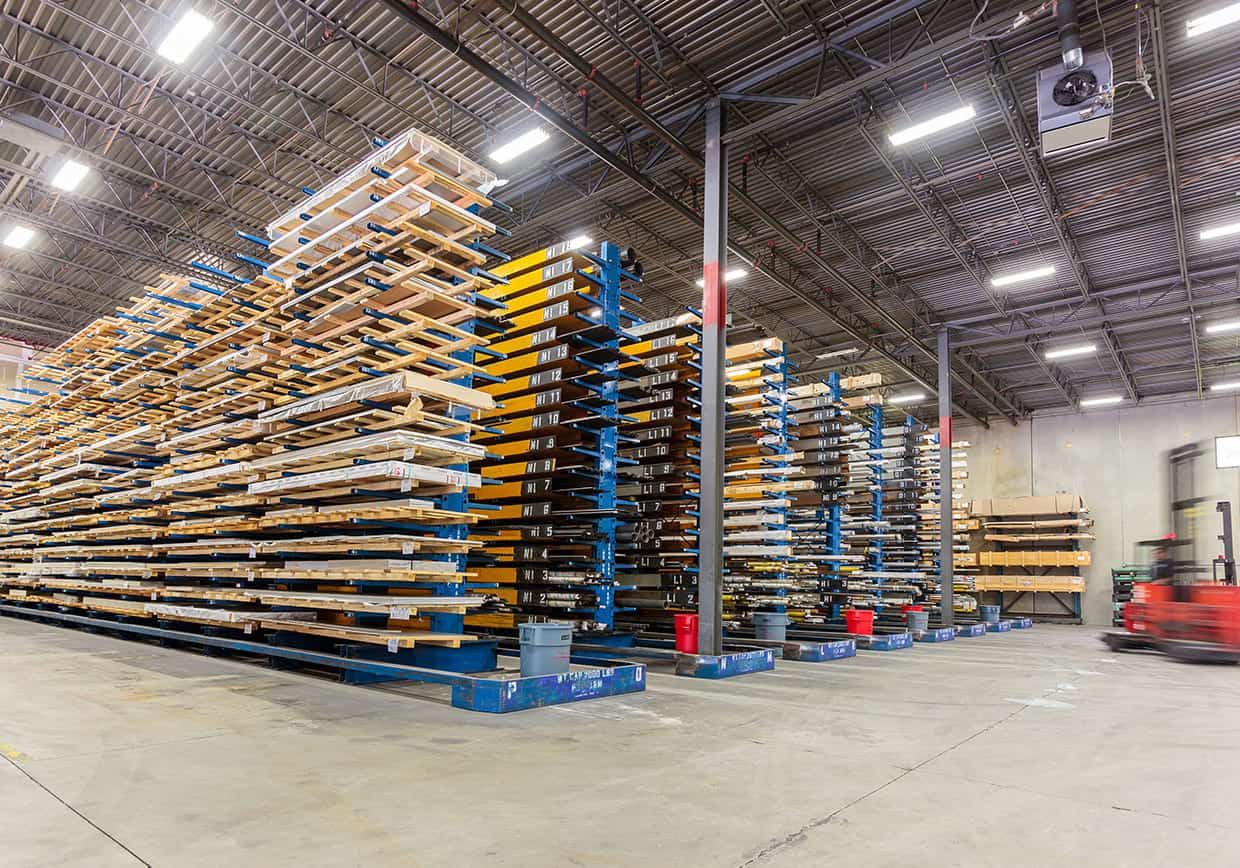
If you manage a warehouse, distribution center, or automotive facility, you already know how important your racking systems are. They’re the backbone of your operation, holding thousands of pounds of materials and inventory every day. But just like any heavily used equipment, pallet racks can take a beating over time.
Spotting early signs of rack damage is one of the smartest things you can do to protect your people, your products, and your bottom line. Rack repair costs only go up the longer issues are ignored, not to mention the potential risks of collapse, lost inventory, or worker injury.
Let’s walk through the most common signs of rack damage you should be watching for. If you’re seeing any of these red flags, it might be time to bring in an expert.
1. Bent Frames or Beams
This is one of the clearest indicators of structural damage. Upright frames or horizontal beams that appear warped, twisted, or bent are no longer able to handle their original load capacities. You might notice this damage after a forklift bump, a collision during pallet placement, or just wear over time.
Even a slight bend can compromise the entire rack system’s integrity. If beams look like they’re sagging or no longer aligned, that’s your cue to take action. A qualified rack repair partner can assess whether repair or replacement is needed.
2. Missing Components
It’s surprising how often warehouses continue daily operations with parts of their racking systems missing. Whether it’s a beam locking clip, a pallet support bar, or a floor anchor, every part of your rack system is there for a reason.
Missing components may not seem like a big deal in the short term, but they can quickly become safety hazards. A rack system without its full assembly isn’t functioning the way it was designed to. Regular safety inspections can help you catch these gaps before they lead to bigger problems.
3. Rust or Corrosion
Rust is more than just a cosmetic issue. It weakens the metal and, over time, can turn a once-sturdy rack into a liability. Corrosion often shows up in facilities with high humidity, chemical exposure, or temperature fluctuations.
Look for rust forming near baseplates, along welds, or around beam connections. Even minor surface rust can spread quickly. If corrosion is spotted, it’s best to get it inspected. Some damage can be sanded and treated, while more extensive deterioration may require part replacement.
4. Overloading Indicators
Your racking system has load limits for a reason. Consistently exceeding those limits can stress the metal and cause damage that may not be obvious at first. Look for bowing beams, leaning uprights, or shelves that appear uneven.
Even if your team isn’t intentionally overloading the racks, improper pallet placement or stacking can lead to similar issues. Having clear signage that outlines weight limits and consistent training for forklift operators helps reduce the risk of overload.
5. Floor Anchor Issues
Rack uprights should be securely anchored to the floor to prevent shifting or tipping. Over time, anchors can loosen, crack, or even pull out entirely—especially in high-traffic areas or seismic zones.
Signs to look for include:
- Uprights that seem unstable or can be moved by hand
- Anchors that appear rusty or broken
- Gaps between the baseplate and the floor
If you see any of these, stop using that bay until it can be properly assessed. Re-anchoring or replacing the baseplate hardware may be required to restore safety.
Why Early Detection Matters
Catching rack damage early isn’t just about keeping your warehouse neat and tidy. It’s about protecting your team from injury, avoiding costly damage to inventory, and maintaining compliance with OSHA and ANSI standards.
The longer damage goes undetected, the more extensive (and expensive) the repairs can become. A small bend today could turn into a collapsed pallet rack tomorrow. That’s why we always recommend routine inspections and prompt attention to any signs of distress.
Sync Storage’s Rack Repair Expertise
At Sync Storage Solutions, we take rack safety seriously. We’ve partnered with Damotech, one of the most trusted names in rack repair, to deliver lasting structural solutions that extend the life of your existing racking systems.
Whether it’s repairing bent uprights, reinforcing damaged beams, or re-anchoring baseplates, our team ensures your rack systems are brought back to spec with minimal disruption to your operation. And we don’t stop there. We offer full safety audit services to identify risks before they become problems.
Final Thoughts
Your racking system is a workhorse, but it’s not invincible. Keeping an eye out for bent beams, missing parts, rust, overloading signs, and loose anchors can save you a world of trouble. The key is early detection. The sooner you catch and address rack damage, the safer and more productive your facility will be.
If you’ve spotted any of the signs above, don’t wait. Reach out to our team for a professional assessment and recommendations tailored to your unique facility. We’ll help you stay compliant, safe, and one step ahead of costly downtime.