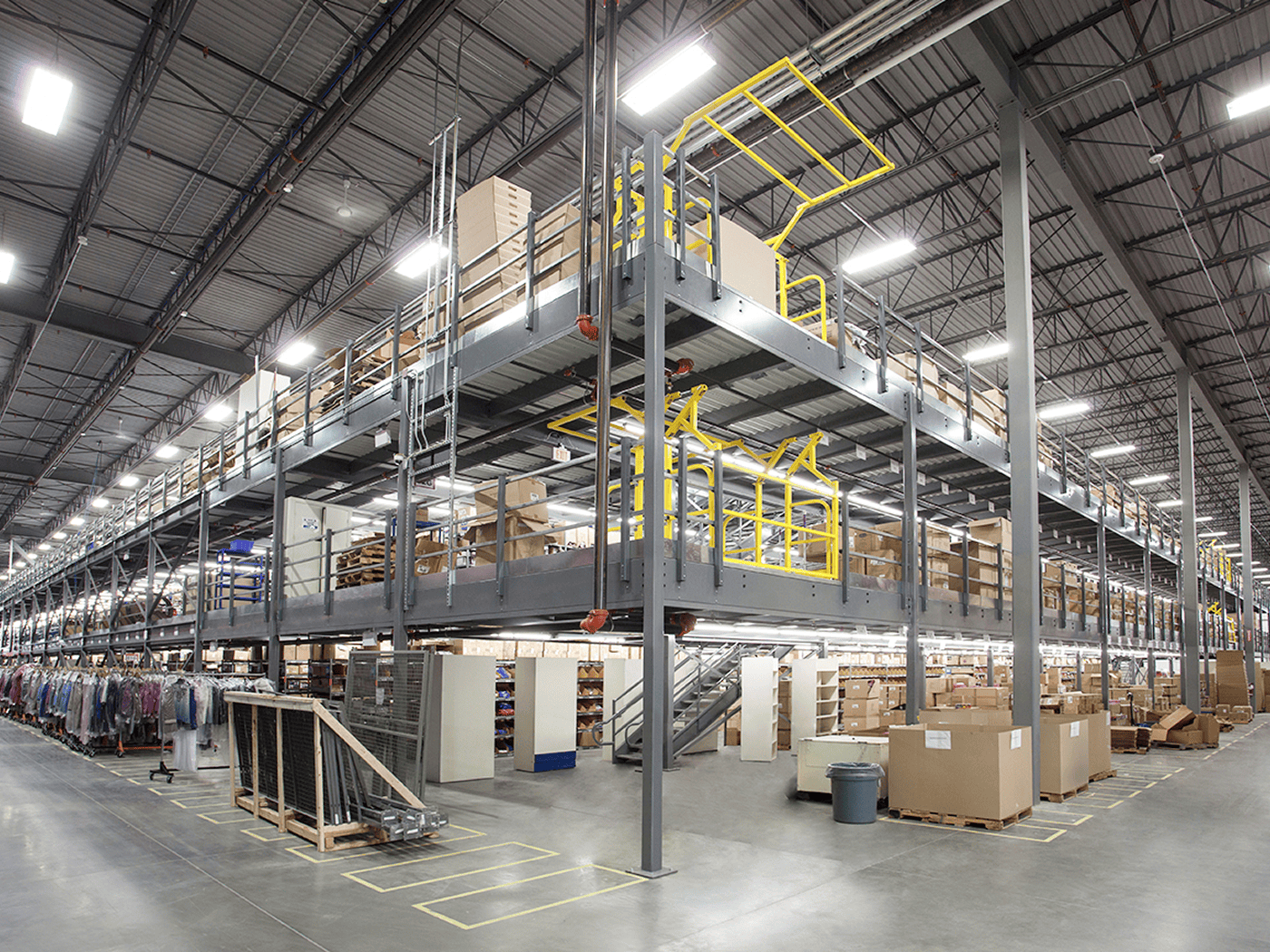
Maximizing your warehouse’s storage potential starts with an efficient, well-thought-out layout. Whether you’re designing a new facility or revamping an existing one, understanding the best practices for warehouse shelving and storage can lead to improved operations, safer workspaces, and reduced costs. Here are five key layout planning steps to help you get the most out of your space.
- Start with a Clear Layout Plan
Effective warehouse layout begins with understanding your operational needs. Start by gathering data on your inventory types, order volume, and workflow patterns. Segment your warehouse into dedicated zones such as receiving, storage, picking, packing, and shipping. Map out these zones to minimize travel time and streamline movement.
- Optimize Product Flow
Flow optimization is critical for boosting productivity. Arrange your layout to support a logical progression from inbound to outbound activities. A U-shaped or straight-through layout often works best to minimize congestion. Keep high-velocity items close to picking and packing areas to reduce travel distances.
- Strategic Shelving Placement
When it comes to warehouse shelving and storage, proper placement is essential. Use vertical space with high-density shelving systems like Pallet Rack, Drive-In rack, or Carton Flow Rack. Place bulkier items on lower shelves and lightweight inventory higher up. Make sure aisles are wide enough for forklifts and allow for safe, efficient access.
- Prioritize Safety at Every Step
Safety is a non-negotiable element in warehouse layout planning. Follow OSHA guidelines for clear walkways, emergency exits, and proper signage. Install guardrails, safety netting, and anti-slip flooring where necessary. Well-organized shelving reduces clutter, minimizes hazards, and helps prevent accidents.
- Integrate Smart Technology
Leverage technology to support your layout and storage solutions. Warehouse management systems (WMS), automated storage and retrieval systems (AS/RS), and barcode scanning can help manage inventory placement and track movement in real time. Smart tech not only improves accuracy but also helps you maximize space usage.
Key Takeaways
- Proper warehouse layout planning is key to maximizing warehouse shelving and storage capacity.
- Streamlined product flow enhances efficiency and reduces bottlenecks.
- Strategic shelving placement can dramatically increase storage potential.
- Safety measures ensure a secure environment for both products and personnel.
- Integrating smart technologies improves accuracy and operational control.
Investing time in planning your warehouse layout pays off in higher efficiency, better storage utilization, and reduced operational costs. Whether you’re expanding or just optimizing, Sync Storage Solutions offers the planning expertise and shelving solutions to transform your space. Contact us today to discover how we can help you design a warehouse that works smarter.