If your warehouse stacks product higher than most people can reach with a ladder, you may need a permit you haven’t accounted for. Fire codes across the country still require one for high-pile storage, and that hasn’t changed in 2026. Here’s what the classification means, why it exists, and what to expect if your facility needs one.
What Is High Pile Storage?
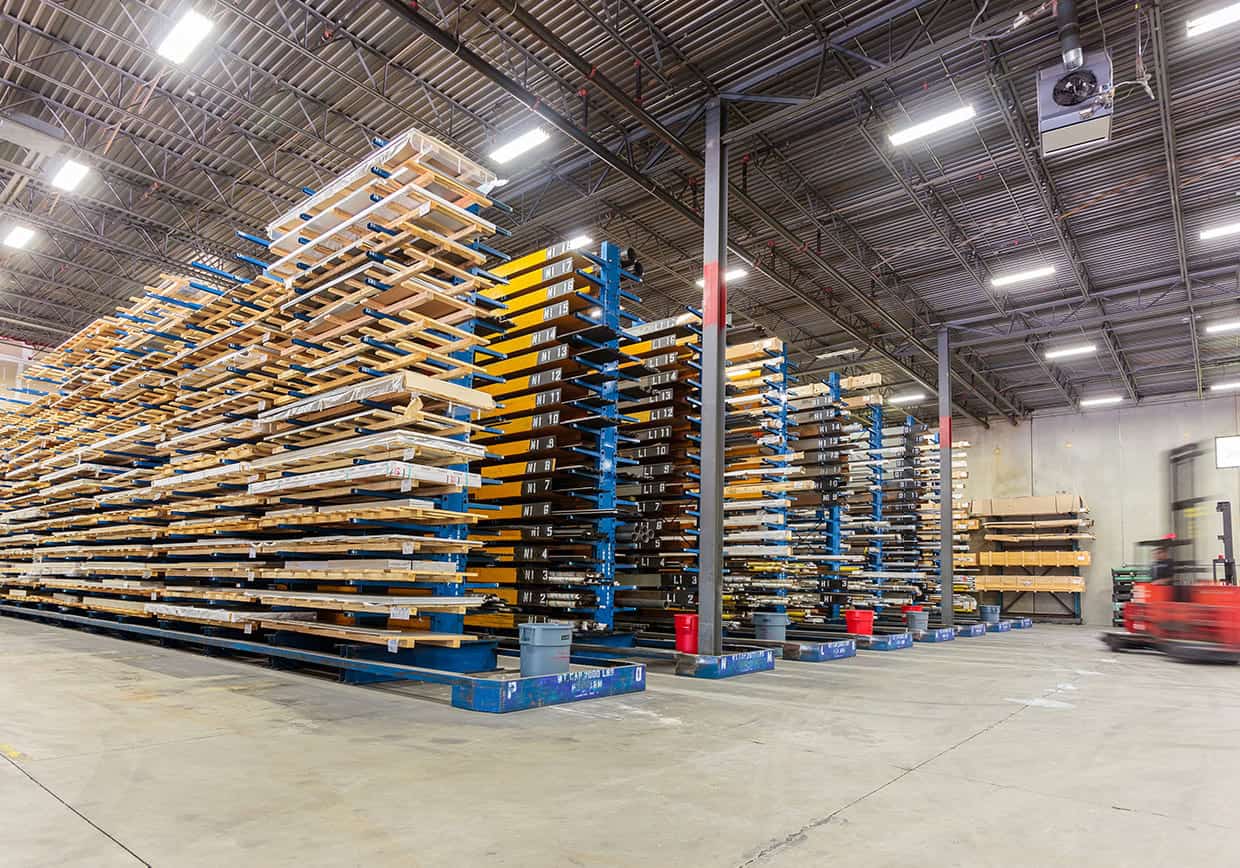
So, what is high pile storage? Under the International Fire Code, it’s the storage of combustible goods stacked higher than 12 feet, whether on a rack, a shelf, or directly on the floor. Many jurisdictions set lower limits through local amendments, sometimes as low as 6 feet. This is different from standard warehouse storage, which stays low enough that a typical sprinkler system can knock down a fire before it spreads.
High-pile storage is also separate from general combustible storage, which is regulated on its own and often held to stricter requirements. Some jurisdictions require a permit for combustible storage well below 12 feet, and others require one for any combustible materials.
You’ll find high-pile storage in retail distribution centers, manufacturing plants, cold storage facilities, and e-commerce fulfillment warehouses. It’s not just about how high the product sits. What you’re storing matters too. Certain high-hazard commodities, like some plastics and rubber products, can trigger the same requirements at just 6 feet instead of 12.
High Pile Storage Fire Hazards That Drive Permit Requirements
Stacking goods higher changes how a fire behaves. Flames climb faster through vertical gaps between pallets, and heat gets trapped instead of spreading out, so a fire can grow far quicker than in a low-stacked space. Standard ceiling sprinklers often can’t reach the base of a tall pile once a fire starts, which is why in-rack sprinklers, added spacing, and specific ventilation are often required.
Fire marshals and other Authorities Having Jurisdiction (AHJ) treat high-pile storage as a priority inspection item for good reason. Warehouse fires involving tall, densely packed storage have caused major property losses and put firefighters at risk, and that history is a big part of why the permit process exists.
How High Pile Storage Rules Have Evolved and What Stays the Same in 2026
Two documents form the backbone of high-pile storage regulation nationwide: NFPA 13, the standard covering sprinkler system design, and Chapter 32 of the International Fire Code, which covers permitting and storage arrangement. Both get updated on a regular cycle, and the 2024 and 2025 editions carried forward into how facilities are expected to comply in 2026.
What hasn’t changed is the core structure: the height thresholds that trigger a permit, the inspection process, and the baseline suppression standards are all still in place. What can change is how strict things get locally. As jurisdictions adopt newer code editions, requirements generally get stricter, not looser. Many cities and counties adopt amendments that go beyond the base code, so a facility that’s compliant under the model code might still need adjustments to meet local rules.
Consequences of Operating Without a Valid High Pile Storage Permit
Running an unpermitted facility carries real risk beyond a citation. Fire officials can issue fines, order a stop-work action, or pause operations until the space is brought into compliance. Insurance carriers can also deny claims or void coverage tied to storage that wasn’t permitted, leaving you to cover fire damage and downtime out of pocket.
There’s also liability to weigh. If a fire or injury happens in an area that should have been permitted and wasn’t, that gap can shape how a lawsuit or claim gets decided. If you think your facility may be out of compliance, start with a walkthrough with a fire protection professional to document current conditions and scope what’s needed. From there, most paths back to compliance run through a permit application, which is the formal way your facility engages the AHJ with a plan already in hand.
What Triggers a Permit and How the Process Works
A high pile storage permit is triggered by two factors together: storage height, generally 12 feet or 6 feet for high-hazard commodities (lower in some jurisdictions), and the classification of what’s being stored. Commodities are sorted into Class I through IV, plus separate categories for plastics and rubber, based on how easily they burn and how much heat they release. Arrangement matters too. Palletized, rack, bin box, shelf, and solid pile storage each carry different aisle width and flue spacing rules, and even a tenant change or shift in inventory type can call for a new or updated permit.
The application process varies by jurisdiction. What one city requires can look different from what a neighboring county asks for, so confirm local requirements before submitting anything. Life safety and egress plans are always required, and your local fire authority will identify any additional documentation needed based on your facility. Preparing detailed high-pile storage drawings is typically handled by a fire protection engineer, which is standard practice across the industry.
How Sync Storage Supports Customers with High Pile Storage
Precision Warehouse Design assigns a dedicated Permit Specialist to manage your project from start to finish, handling coordination, submission, jurisdiction communication, inspections, and final close-out. During the process, Sync Storage verifies the building and fire code requirements your local AHJ has adopted, including applicable ICC codes and NFPA standards, and designs to meet them.
Sync Storage supports permitting projects nationwide, working to whatever standards the local AHJ has in place. High pile storage permit assistance, along with automation and conveyor permit support, isn’t included in our standard permitting services. These are available as a separately quoted service that can include fire protection engineer drawings, sprinkler drawings, trade-specific work, jurisdiction fees, and third-party inspections. If your project needs this kind of support, ask your Sync Storage contact for a custom quote.
Frequently Asked Questions
What is high pile storage and how is it defined under fire code regulations?
High pile storage is the storage of combustible goods stacked higher than 12 feet or higher than 6 feet for high-hazard commodities, whether on racks, shelves, or the floor. Many jurisdictions set lower thresholds through local amendments, in some cases as low as 6 feet. The classification exists because storing goods at that height changes how a fire spreads and how hard it is to put out.
Do high pile storage permits still apply to my warehouse or facility in 2026?
Yes. The height thresholds, inspection requirements, and permitting process that have applied for years are still in effect in 2026.Requirements tend to get stricter as jurisdictions adopt updated codes, so confirm current rules with your local fire authority.
What types of materials or commodities fall under high-pile storage classifications?
Fire code sorts stored goods into Class I through IV, plus separate categories for plastics and rubber products. The classification depends on how combustible the material is and how much heat it releases if it catches fire, not just what the product is used for.
How do I obtain a high pile storage permit and what does the application process involve?
Life safety and egress plans are always required as part of a high pile storage permit application, and your local fire authority will identify any additional documentation needed for your facility. Requirements vary by city and county, so the exact documents and review timeline depend on where your facility is located. A fire protection engineer usually prepares the technical drawings involved.
What are the consequences of operating without a required high pile storage permit?
Facilities without a valid permit can face fines and stop-work orders until they come into compliance. Insurance claims tied to unpermitted storage can also be denied, and liability exposure increases if a fire or injury occurs in a non-compliant area. Questions about liability in your specific situation are best directed to an attorney.
Have the requirements for high pile storage permits changed or been updated for 2026?
The core framework hasn’t changed. Recent code cycles refined some technical details within NFPA 13 and the International Fire Code, but the basic height thresholds and permitting structure remain consistent. Local amendments are the more likely source of any new requirements you’ll encounter.
Get Started on Your High Pile Storage Project with Precision Warehouse Design
Permitting for tall storage doesn’t have to slow your project down. Precision Warehouse Design has the team and the process to keep your facility compliant from the first submission to final inspection. Contact Sync Storage today to talk through your high-pile storage project and get a quote built around what your facility needs.